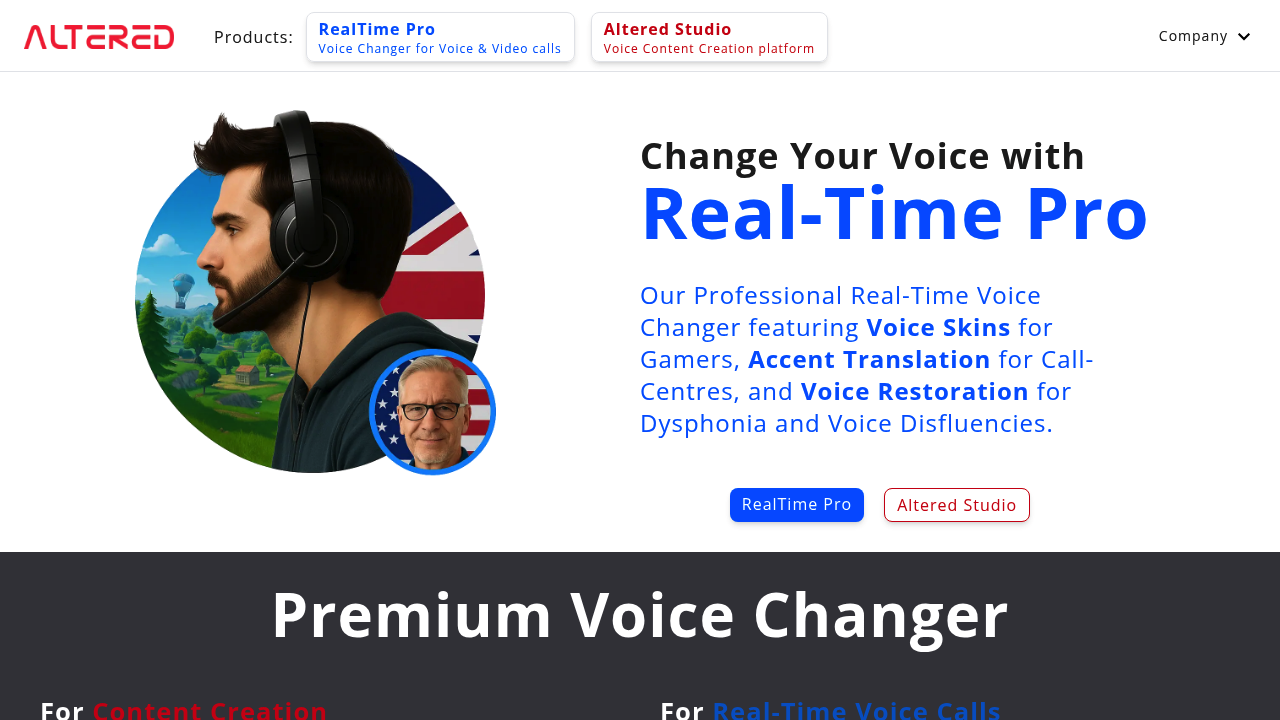

Transform your data with Altered: smarter, faster, and truly revolutionary AI.
Pricing Model
Freemium
Vote for this project
The Ultimate AI Tool Directory
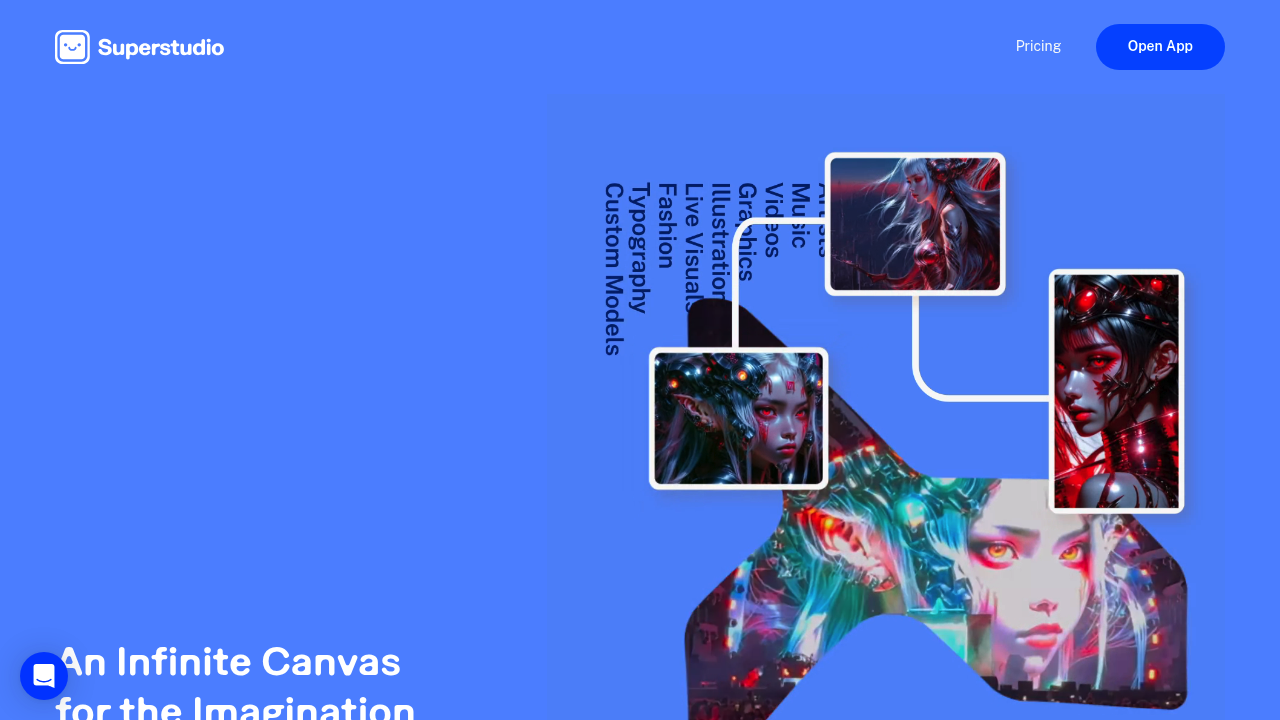

Kaiber offers an AI creative lab and Superstudio platform that transforms text, images, and videos into dynamic animations and visual content.
Kaiber is designed to help people use AI to move from an initial idea to a usable result faster. In practice, that means reducing the time spent on blank-page work, repetitive edits, and manual formatting so you can focus on the parts that require judgment: the message, the creative direction, and the final polish.
Kaiber offers an AI creative lab and Superstudio platform that transforms text, images, and videos into dynamic animations and visual content. Instead of treating AI as a one-off generator, the product experience is typically built around an end-to-end workflow—capturing intent, producing a first draft or output, and giving you controls to refine until it’s ready for delivery.
A key benefit is speed without losing control. You can start broad to get momentum, then narrow the constraints—audience, tone, length, quality settings, or style—until the output matches what you’d ship. This iterative loop is often faster than doing everything manually, while still keeping you in charge of decisions.
Quality control matters. The most effective users pair AI output with lightweight review habits: verify facts, check for brand consistency, confirm rights and attribution where applicable, and make sure the result fits the channel. That final human pass is what turns “generated” into “publishable.”
For teams, tools like Kaiber can act as a consistency layer. By standardizing prompts, presets, and review steps, you get outputs that feel aligned across different creators, projects, and channels—without requiring everyone to be an AI prompt expert. Even simple shared templates can reduce rework and help new teammates ramp quickly.
AI video enhancement and editing tools typically combine multiple specialized models: super-resolution for upscaling, denoising for cleaner frames, motion estimation for stabilization or interpolation, and speech-to-text models for captions and search. These components are orchestrated through presets and batch pipelines so creators can apply consistent settings across an entire project.
In many products, the model layer is paired with retrieval and caching. Retrieval can pull in your notes, brand guidelines, or prior assets to provide context, while caching speeds up repeated operations like applying the same preset across multiple files. When available, admin controls (user roles, project spaces, and audit trails) help teams manage access and reduce accidental overwrites.
Performance is most noticeable in render time and output quality. Higher-quality modes generally take longer but yield cleaner details, fewer artifacts, and better consistency. Batch processing and presets can save time when you’re applying the same enhancements repeatedly. For cloud tools, your speed depends on queue times and your plan’s compute limits; for desktop tools, GPU capability and file resolution usually dominate.
A useful way to evaluate performance is to measure the full cycle time: how long it takes to go from input to a final export you’d actually use. Fast generation is helpful, but so is predictability—consistent outputs that require fewer reruns. If the tool offers multiple modes, start with the fastest for rough drafts and reserve higher-quality settings for final passes.
Kaiber generally feels most useful when you treat it as a co-pilot rather than an autopilot. You start with a concrete goal (what you want to publish, export, or improve), provide a small amount of context, and then iterate: accept what’s good, correct what isn’t, and rerun with tighter constraints.
A practical way to work is to build a library of repeatable presets—prompts, styles, or processing settings—so you can get reliable results even when you’re switching between projects. Over time, that reduces the trial-and-error that can make AI tools feel unpredictable.
If you’re adopting the tool for a team, small standards go a long way: define what “done” looks like, where final assets live, and what checks must happen before shipping. That keeps the tool from becoming a one-off experiment and helps it turn into a dependable workflow.
Desktop app, Web access is the norm for many modern AI tools, and the best experiences minimize setup: sign in, drop in your input, choose a preset, and export. Keyboard-friendly controls, clear previews, and transparent usage limits make the tool easier to use day-to-day.
Look for features that reduce friction—autosave, version history, clear export options, and the ability to reuse settings. These details matter more than they seem when you’re using the tool every week.
If you want to reduce the time between “idea” and “deliverable,” Kaiber is worth evaluating. Start with a small, repeatable task, save a preset that works, and build from there. Used this way, the tool can become a reliable part of your production workflow rather than a novelty.

Transform your data with Altered: smarter, faster, and truly revolutionary AI.
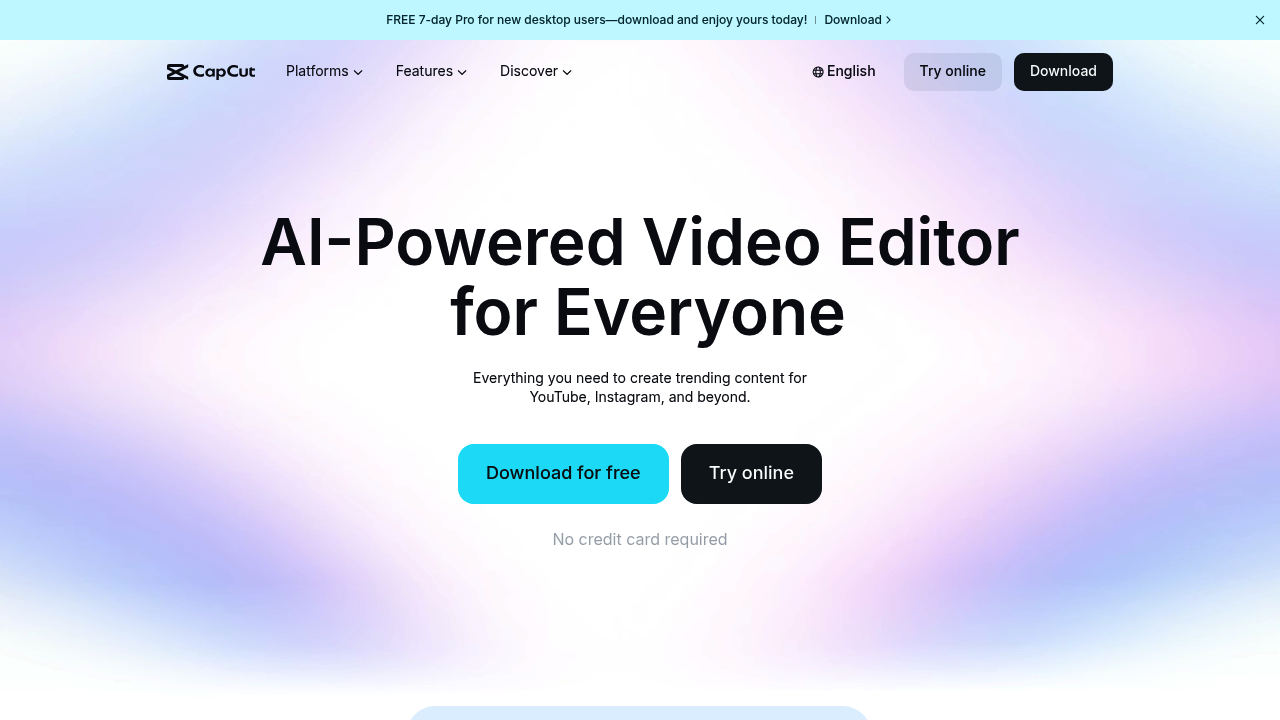
Edit videos quickly and add eye-catching effects for flawless social content.
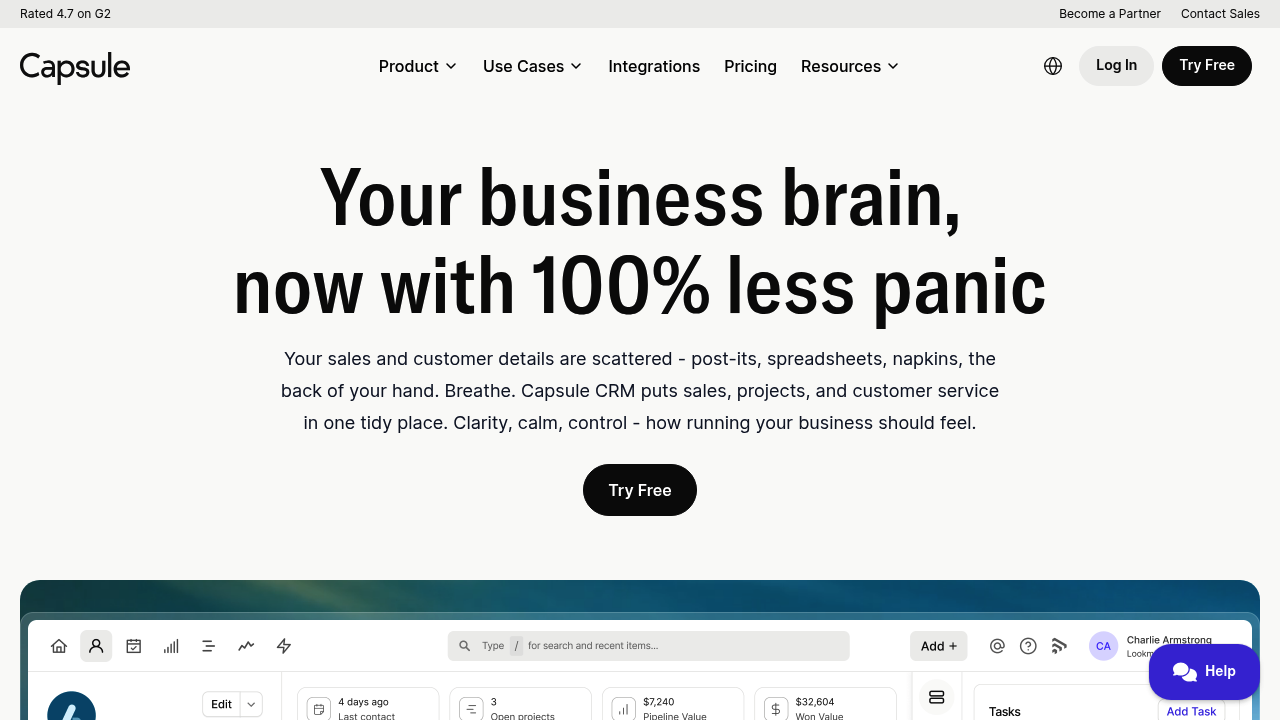
Capsule: Tiny tool, massive results. Simplify tasks, save time now.